
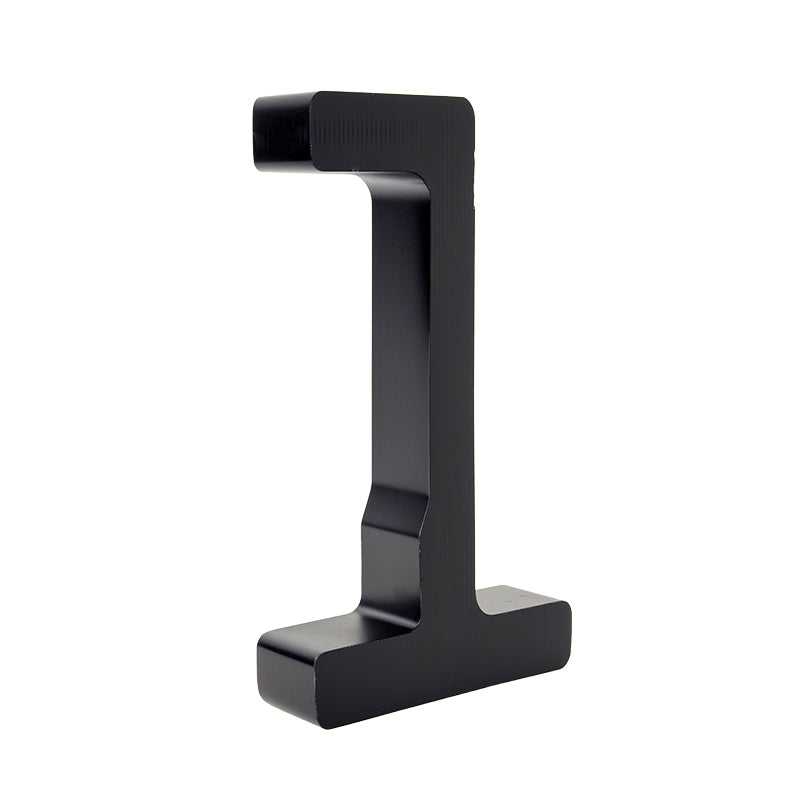
A J-type forklift profile is a drawing-controlled section used where an asymmetric shape supports carriage, mast-guide or roller-interface functions. An accurate quotation requires more than a section name: the buyer must define the loaded surfaces, mating components, critical dimensions and downstream operations.
Where J-Type Profiles Are Used
J-type sections can be used in forklift carriage bars, mast rail guides and related support structures. Their exact role depends on the forklift design. The section may provide a guide surface, connection area or structural path within a welded or machined assembly.
Why the Cross-Section Drawing Matters
The letter “J” describes only the general shape. It does not define flange dimensions, radii, wall thickness, steel grade or load capacity. The customer drawing should identify the complete cross-section and mark the dimensions that control fit and movement.
Features to Mark as Critical
- Overall width, height and section thickness
- Opening, flange and return geometry
- Roller-contact or guide surfaces
- Joining, machining or hole locations
- Straightness, twist and flatness requirements
- Cut length and end condition
Functional surfaces should be tied to clear datums. This allows dimensional inspection to focus on the interfaces that affect carriage travel and assembly alignment.
Material and Processing Information
The RFQ should state the required steel grade and applicable material standard. If the component requires cutting, machining, drilling, welding preparation or surface-treatment preparation, these operations should be separated from the rolled-section requirements. Tooling, sampling and inspection frequency can then be reviewed against the planned quantity.
Sample and Inspection Planning
Before serial supply, samples should be checked against the approved drawing and customer assembly. The inspection scope may include section dimensions, straightness, surface condition, cut length and agreed documentation. Performance or compatibility should not be assumed without the mating-component and validation data.
J-Type Profile RFQ Checklist
- Section drawing and revision number
- Application within the mast or carriage assembly
- Steel grade and delivery condition
- Critical dimensions and tolerances
- Required downstream processing
- Sample quantity and annual demand
- Inspection documents and delivery destination
See Huaneng’s J-type steel profile for forklift masts and carriage structures and the broader C- and J-type forklift mast profile range. Use the contact page to submit your drawing for technical review.