
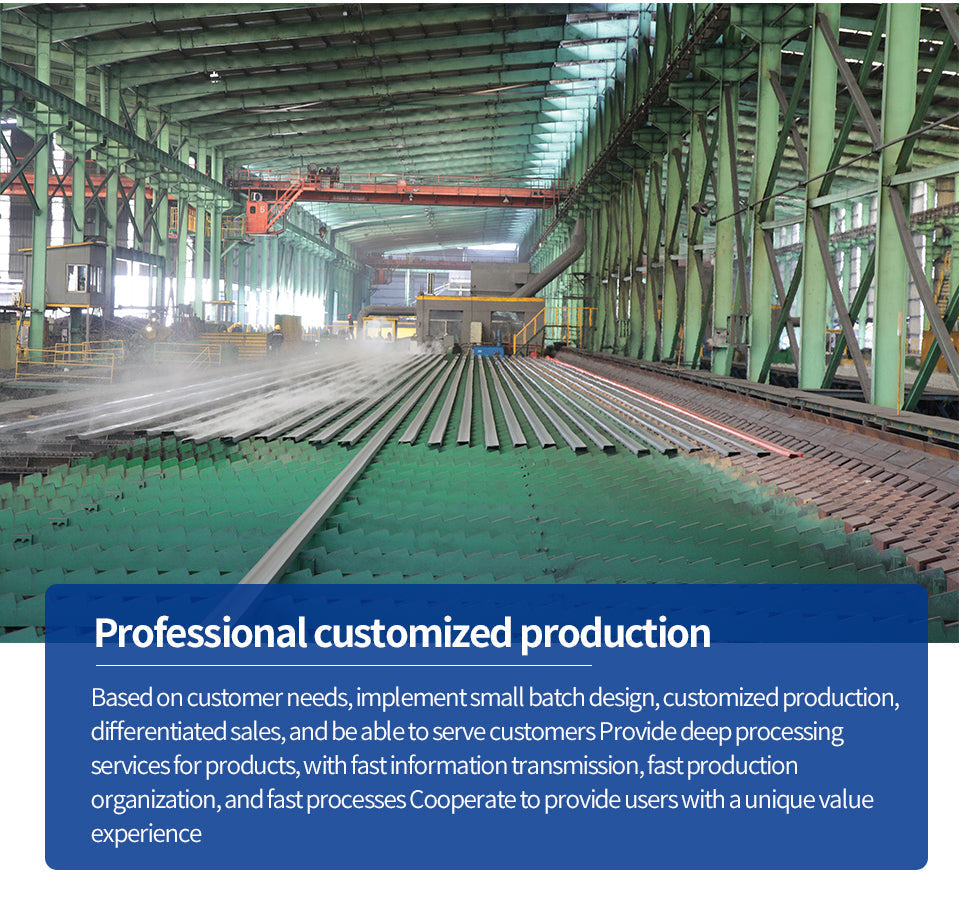
C-, J- and H-type steel profiles are used for different functions in forklift mast, carriage and support assemblies. Selection should begin with the component interface and drawing, not with the section letter alone.
C-Type Profiles
C-type channels are frequently associated with mast rail and guide functions. Important drawing features include opening width, web and flange geometry, roller-contact surfaces, straightness and cut length.
J-Type Profiles
J-type sections provide an asymmetric geometry that can suit carriage bars, guides and custom brackets. Critical faces, machining allowance and joining features should be identified before tooling review.
H-Type Profiles
H-type sections can be applied in support, frame and mast structures. Web and flange dimensions must be connected to the customer load path and fabricated assembly design.
Comparison for Procurement
| Profile family | Typical function | Key RFQ information |
|---|---|---|
| C-type | Mast rail or guide structure | Opening, roller faces, straightness |
| J-type | Carriage or guide interface | Asymmetric geometry, loaded faces |
| H-type | Support or frame section | Web, flange, connections |
Final Selection
The final profile, grade and tolerance must be validated by the forklift designer. Supplier capability should be compared using the same drawing revision and inspection requirements.
Information to Include in an RFQ
- 2D or 3D section drawing
- Steel grade and applicable standard
- Critical dimensions and tolerances
- Cut length and downstream processing
- Trial quantity, annual demand and destination
Send your drawing for a feasibility review. Material, tooling, inspection scope, minimum order quantity and lead time are confirmed after technical review.