
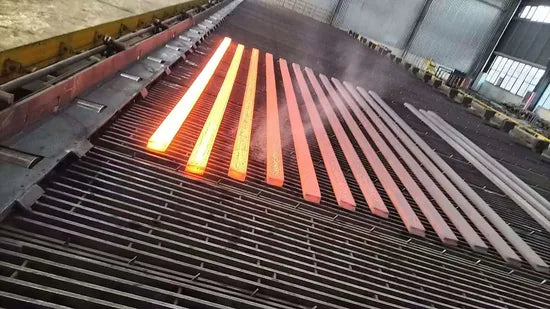
Forklift attachments and side-shifter systems can require steel profiles that differ from standard mast channels. This guide focuses on custom hot-rolled profiles and the drawing information needed for a manufacturing review.
Where Custom Profiles Are Used
- Attachment carriage interfaces
- Fork positioner and side-shifter structures
- Fork-arm support sections
- Custom guide, rail and mounting components
Geometry Before Process
The section should be defined by function: loaded faces, sliding or roller interfaces, undercuts, radii and connection features. The supplier then determines which geometry can be formed during rolling and which features require machining or fabrication.
Prototype and Production Planning
Tooling and sample requirements depend on section complexity, material and forecast demand. Buyers should request a documented sample-approval route instead of assuming a standard minimum quantity or lead time.
Inspection Focus
- Section dimensions and critical radii
- Straightness and twist
- Surface condition on functional faces
- Cut length and downstream features
- Material and mechanical-property documentation requested by the project
Information to Include in an RFQ
- 2D or 3D section drawing
- Steel grade and applicable standard
- Critical dimensions and tolerances
- Cut length and downstream processing
- Trial quantity, annual demand and destination
Send your drawing for a feasibility review. Material, tooling, inspection scope, minimum order quantity and lead time are confirmed after technical review.