
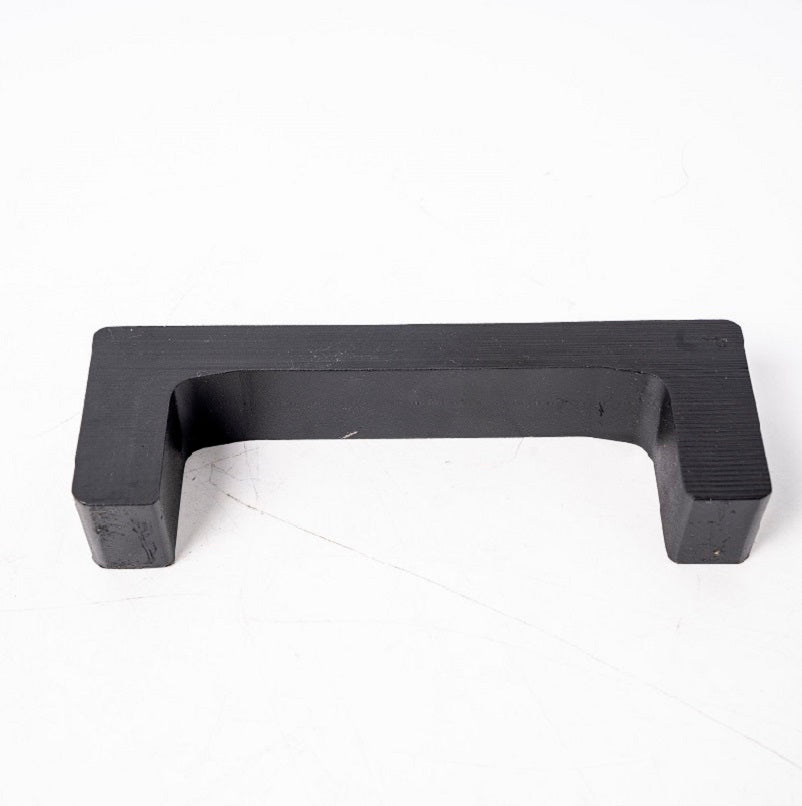
Custom C-channel steel profiles are manufactured from a project drawing that defines the section, material and critical tolerances. For OEM applications, the production route should connect tooling, hot rolling, straightening, cut length and inspection to the same approved drawing revision.
1. Drawing and Feasibility Review
The process starts with the cross-section drawing, application and expected quantity. The supplier reviews the web, flanges, opening, radii, thickness transitions and functional surfaces. Material grade, cut length, tolerance and downstream operations must be confirmed before the manufacturing route is quoted.
2. Material and Tooling Confirmation
The required steel grade and applicable standard determine the material basis for the project. Tooling is then evaluated against the section geometry and planned production volume. Any alternative grade or geometry must be approved by the customer rather than assumed by the supplier.
3. Hot-Rolling Route
During hot rolling, the section is developed through a controlled forming sequence. The exact pass design and process settings depend on the profile geometry and material. A custom hot-rolled profile should not be treated as equivalent to a standard construction channel unless the drawing and specification allow that substitution.
4. Straightening and Cut Length
After forming, the profile is prepared to meet the agreed straightness, twist, surface and cut-length requirements. Functional faces and assembly interfaces should receive particular attention because local deformation or misalignment can affect downstream machining and final fit.
5. Downstream Processing
Project-specific operations can include cutting, machining preparation, drilling, welding preparation or surface-treatment preparation. These operations should be listed separately in the RFQ so that the quotation clearly distinguishes the rolled profile from the finished or semi-finished component.
6. Inspection and Sample Approval
Inspection follows the approved drawing and agreed datums. The scope may include section dimensions, straightness, twist, cut length, surface condition and material documentation. Samples should be evaluated in the customer assembly before volume supply is approved.
Hot Rolled or Cold Formed?
Neither route is automatically better for every C-channel application. Selection depends on material grade, thickness, geometry, tolerance, quantity and downstream processing. Buyers should provide the application and drawing so the manufacturing route can be reviewed against the complete requirement.
RFQ Information for a Custom C-Channel
- 2D or 3D section drawing
- Steel grade and applicable standard
- Critical dimensions and tolerances
- Functional surfaces and assembly interfaces
- Cut length and downstream operations
- Trial quantity, annual demand and destination
View Huaneng’s C-channel profile for forklift mast rails and custom U- and C-channel guide rail profiles. Send the drawing through the RFQ contact page for review.