
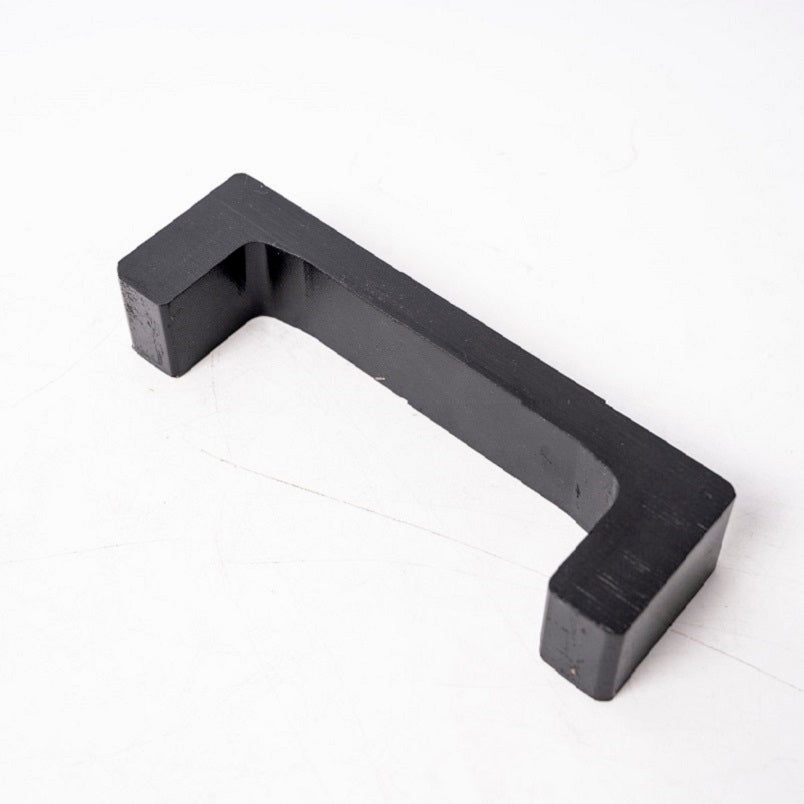
Compare quotes for custom C-channel steel profiles against the same drawing revision, steel grade, supplied condition and order quantity. Separate one-off development charges from repeat production costs, then check which cutting, machining, inspection and delivery items are included. A lower price per tonne does not necessarily mean a lower cost for an acceptable finished part.
For forklift applications, use the hot-rolled C-channel profile for forklift mast rails as the product enquiry starting point. Catalogue appearance alone is not enough to establish that two quoted sections meet the same requirement.
Start with one controlled technical package
Give each supplier the same dimensioned cross-section drawing, revision, units, material specification and length schedule. Identify the surfaces and dimensions that affect assembly. If a supplier proposes a different grade, section or manufacturing route, record it as an alternative for engineering review rather than treating it as a directly comparable offer.
A quote based on an as-rolled blank should not be compared without adjustment to one based on a machined component. The technical difference needs to be resolved before the commercial comparison is meaningful.
What should a quote comparison include?
| Item | What to confirm |
|---|---|
| Material | Grade, applicable standard, delivery condition and required documentation |
| Section and length | Drawing revision, dimensional limits, bar or cut-piece length and quantity |
| Development | Tooling, trial material, sample preparation and approval scope |
| Processing | Cutting, end preparation, machining and any agreed finishing |
| Inspection | Features checked, reporting scope and any customer inspection requirements |
| Delivery | Packing, destination, delivery terms and included transport charges |
Separate tooling and samples from repeat supply
Ask whether tooling and trial charges are listed separately or included in the initial material price. Confirm what those charges cover, whether further trials would be chargeable, and the agreed responsibilities for tooling maintenance and design changes.
Evaluate the first order and repeat orders separately. Do not spread development costs across an assumed annual volume unless that volume is a realistic purchasing forecast. A first-order comparison can include development costs; a repeat-order comparison should show the costs that actually recur.
Check the machining and cutting assumptions
Identify whether the quoted section is intended to remain as rolled or needs material removed from selected faces. Ask who owns the blank drawing and who confirms that the machining allowance is suitable. The C-channel machining allowance guide explains this distinction.
Also compare the same usable lengths. Cutting losses, end trimming and remaining material can affect the number of blanks obtained from a bar. For a length-based purchasing comparison, see long bars versus cut-to-length steel profile blanks.
Compare cost per acceptable part
For a defined order, add the quoted material, required processing, agreed inspection, packing and transport costs. Include any additional work needed at your own facility. Divide by the expected number of acceptable parts, using the same assumptions for every offer.
Keep uncertain items visible rather than entering zero. For example, if sample approval, freight or inspection costs are not yet quoted, request clarification. This method supports comparison; it does not establish that a particular supplier or production route will always be cheaper.
Confirm the approval and delivery sequence
Ask whether the quoted lead time starts from order placement, drawing approval or sample acceptance. Separate development, trial inspection, buyer approval and repeat production where relevant. Record any dependencies that could change the schedule.
Request a drawing-based quotation
Send Huaneng your section drawing, steel grade, critical tolerances, lengths, trial quantity, expected annual demand and destination. Identify the processing and documentation you want included. Manufacturing feasibility, tooling, minimum order quantity, price and lead time are confirmed after review.
Submit your C-channel profile drawing and quotation requirements.