
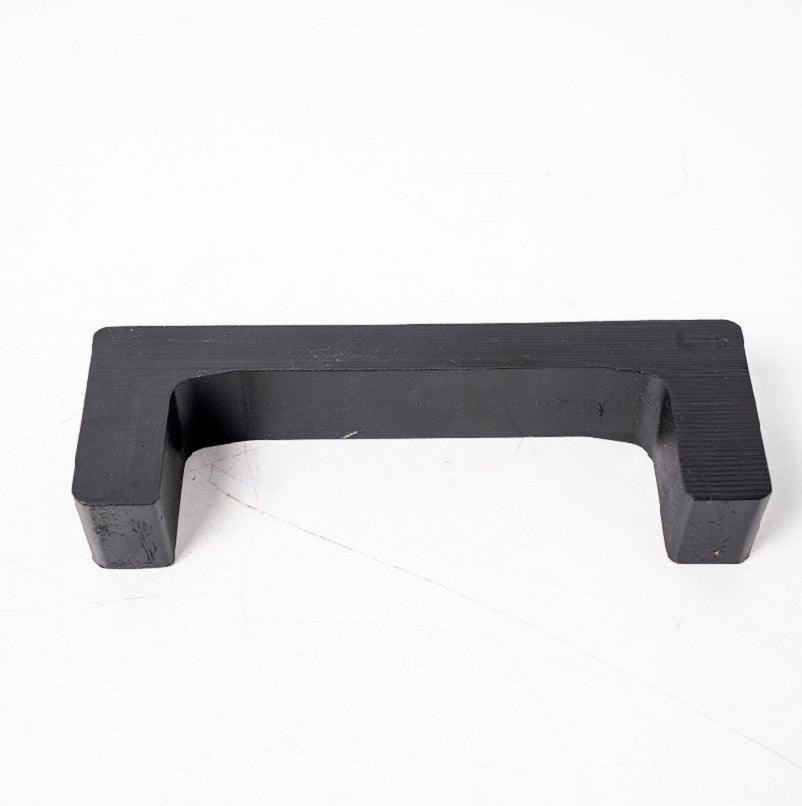
Specify traceability for forklift mast steel profiles by defining how delivered bars or cut pieces will remain linked to the relevant material records and order requirements. Agree the identifiers, marking method, document references and responsibilities before production. A certificate supplied separately from unidentified material does not, by itself, establish that the delivered profiles are the material described.
For drawing-based procurement, review Huaneng’s C- and J-type forklift mast channel profiles. Required material documentation and identification arrangements should be included in the enquiry and confirmed for the project, rather than assumed from a product photograph.
Distinguish material identity from part identity
Steelmakers use heat or cast identification to connect material with its production records. A rolling lot, processing batch or delivery bundle may use a different identifier. Ask the supplier to explain how those identifiers are related in the records used for your order.
The profile drawing number identifies the geometry; its revision identifies the approved design version. Neither replaces material identification. Likewise, an order number alone may not distinguish different material batches within the same shipment.
Define the level of identification you need
Decide whether traceability must be maintained at bundle, bar or individual cut-piece level. The required level depends on your purchasing specification, handling process and component requirements. Do not assume that every piece will carry a permanent individual mark unless this has been agreed.
- Bundle identification: define the label contents and the connection to packing and material records.
- Bar identification: agree how bars remain identifiable when a bundle is opened.
- Cut-piece identification: agree how records or approved marks follow pieces after cutting.
Specify where physical marking is permitted. If a roller-contact surface or machining datum must remain untouched, identify that restriction on the drawing and agree a suitable alternative.
Connect the material documents to the delivery
Request the document scope needed for your purchase, including the required material specification, recorded test information and identifiers. If a particular inspection-document type is required, state it explicitly so availability and scope can be confirmed before the order is accepted.
At receiving inspection, check that the delivered profile identity, bundle or piece references, packing list and material records correspond. Verify the stated grade and delivery condition against the purchase requirements. Similar product names or nominal strength descriptions do not establish material equivalence.
Plan for cutting and outside processing
Long bars may be divided into several lengths, moved between workstations or sent to another processor. The purchasing and production teams should agree how the material-to-record connection will be preserved during those steps.
Define who transfers identification, who records the relationship between original stock and cut pieces, and how mixed batches are kept distinguishable. If identification is lost, seek supporting records and an agreed disposition; do not assign a heat number merely because the piece looks like neighbouring material.
Keep inspection records specific to their scope
A material record and a dimensional inspection report answer different questions. The first supports material verification within its stated scope. The second records checks of the section or component against specified requirements. One does not automatically replace the other.
For the geometry requirements, use the forklift mast guide rail inspection guide. Ask inspection reports to identify the drawing revision and the samples or batches covered, so the results can be related to the delivered order.
What should the traceability request include?
- Part number, approved drawing revision and material specification.
- Required material and inspection documents.
- Bundle, bar or cut-piece identification level.
- Permitted marking locations and protected functional surfaces.
- Identification responsibilities during cutting and external processing.
- Document delivery timing and handling of missing identification.
Traceability supports material and order verification; it does not replace component design validation or establish that a mast assembly is suitable for service.
Discuss documentation before ordering
Send your drawing and traceability requirements through Huaneng’s project enquiry form. The available documents, marking method, inspection scope and any associated commercial requirements are agreed after technical review.